
Insights
Posts on digital transformation, governance, and leadership development — focused on the organizational and cultural dimensions that determine whether technical ambitions survive operational reality.
Browse by topic:
All | Digital Excellence | Board Advisory | Leadership & Coaching | Standards & Governance | Digital Product Passport

There Is No Finish Line
The organisations that have spent the past two years preparing for the Digital Product Passport have been working toward a date. A Delegated Act. An enforcement window. A compliance threshold to clear.
That is the wrong frame. Not because the date doesn't matter — it does — but because the organisations that treat it as a destination will arrive, clear the threshold, and find that the journey has not ended. It has barely begun.

Technology Without Capability: Investment Without Return
Most organisations in this sector have not yet asked the most important question about their digital investment, even after significant capital has been committed. Not whether the technology works — it usually does. Not whether the implementation delivered what was specified — it usually does that too. The question is whether the organisation is different as a result.
Whether decisions are made differently. Whether the people who need product information can get it, trust it, and act on it. Whether the investment, in other words, returned what was paid for — or whether it returned something less: a more sophisticated version of the same organisation that made it.

You Can't Do This Alone
Everything this series has examined so far sits inside the organisation. The governance decision that wasn't made. The functions that hold different versions of the same figure and don't know it.
Those are problems an organisation can decide to solve. They require leadership will, organisational clarity, and sustained investment — but they are within reach of a single organisation that chooses to address them.
The next problem is not.

You've Invested. Now the Hard Part.
Arvela and Kestner made similar decisions in the same eighteen-month window. Both invested in supply chain data infrastructure — new platforms, supplier connectivity, updated product information management. Both were responding to the same regulatory horizon, committed comparable budgets, and went live within a few months of each other.
Two years on, they are not in the same place.

Silence Gives Consent
There is a moment most brands haven't yet encountered but will. A procurement team, an investor, a retailer qualification process asks for verified product data — not a sustainability narrative, not a certification summary, but the underlying data. Composition traceable to source. Environmental indicators linked to specific products. Supply chain records that can be checked.
The brand that can produce it moves forward. The brand that cannot has answered the question — not with what it said, but with what it couldn't show.

A Linear Data Model. In a Circular Economy.
The circular economy argument in fashion has been made compellingly for years. Resale is growing faster than primary retail. Rental platforms are finding audiences that ownership models never reached. Repair, refurbishment, and take-back are moving from niche to standard practice. The direction is clear. The business case, in many segments, is proven.
What is less often discussed is what these models require to operate at scale — and where most organisations discover, partway into building them, that the foundation isn't there.

Built for Compliance. Billed Accordingly.
You identify the minimum data set the first enforcement window requires. You find a way to assemble it — through a project, a platform, an implementation team working against a deadline. The passport exists. The QR code resolves. The auditor sees the record.
At some point in that process, someone notices that the investment required to build the minimum was not materially smaller than building something worth considerably more.

The Sum of the Parts Is Greater than the Whole
The data capability problem in most fashion organisations is not a shortage of understanding. It is a surplus of partial understandings that never add up to a shared one. Every function has a piece. But the pieces don't connect.
This is not a collaboration failure in the conventional sense. The meetings happen. The cross-functional projects are stood up. The willingness, in most organisations, is genuine. What tends to be absent is something more fundamental — a shared understanding of what the data is actually for, and who is accountable when it falls short.

What You Asked For Is Exactly What You Got
A version of the supplier data problem is familiar to most brands. The data comes back incomplete. Fields are estimated rather than measured. Certifications cover a material category rather than the specific input used in a specific product. The figures submitted this season look suspiciously similar to the figures submitted last season, regardless of what actually changed in the supply chain.
The diagnosis is almost always the same: the supplier isn't capable, or isn't trying. The response is more pressure — tighter requirements, harder deadlines. And the data quality stays roughly where it was.

Technology Was Never the Problem
Nobody has told her that the difference matters.
The platform is live. The data fields are populated. And a product manager is copying last season's material composition figures into this season's record because gathering them fresh would take three days she doesn't have.

The Sustainability Team Didn't Sign Up to Be a Data Analyst
The job description for a Sustainability leader in a fashion or textiles organisation has changed more in the past five years than in the previous two decades. What was once a role centred on strategy and stakeholder engagement has been loaded with technical demands that few sustainability professionals were trained for and fewer still were resourced to meet. Verified supplier data. Granular environmental indicators. Product-level traceability reaching into tiers most brands have never directly engaged.
Operations Holds the Evidence
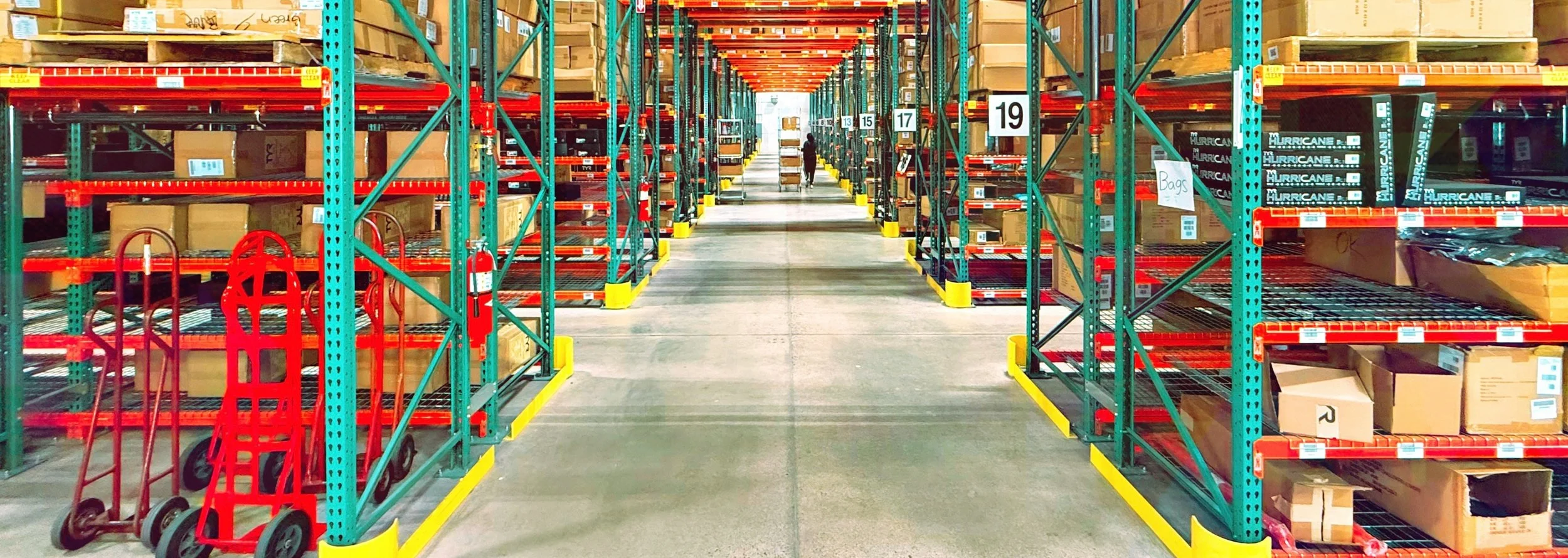
When a garment moves from a production facility to a distribution centre, an event occurs. When it is received, inspected, and logged, more events occur. When it is shipped to a retail partner, returned by a consumer, and routed to clearance or disposal, each carries data the passport will eventually need. Taken together, that sequence of events is the evidentiary backbone of any credible Digital Product Passport.
Most of that evidence is never captured in a form that serves any purpose beyond the immediate operational one.

The DPP Is a Mirror, Not a Label
There is a particular moment organisations encounter when they move from reading about the Digital Product Passport to actually examining what it would require of them. The regulation, until that point, has been an abstraction — a compliance horizon, a project, a deadline. Then someone asks a specific question: what data do we actually have, for a specific product, that would go into a passport today?
The answer to that question is the mirror. And for most organisations, the reflection is instructive.

The Function That Was Handed the Problem Without the Mandate
A conversation happens with reliable regularity when a fashion or textiles organisation begins a data-related implementation. The scope is defined. The system is selected. The project plan is approved. And then, partway through, the implementation team discovers that the data the system needs to hold has never been properly defined — that two functions are working from different versions of the same information, and that the governance questions the project assumed had been answered were never asked.
Procurement's Undisclosed Liability
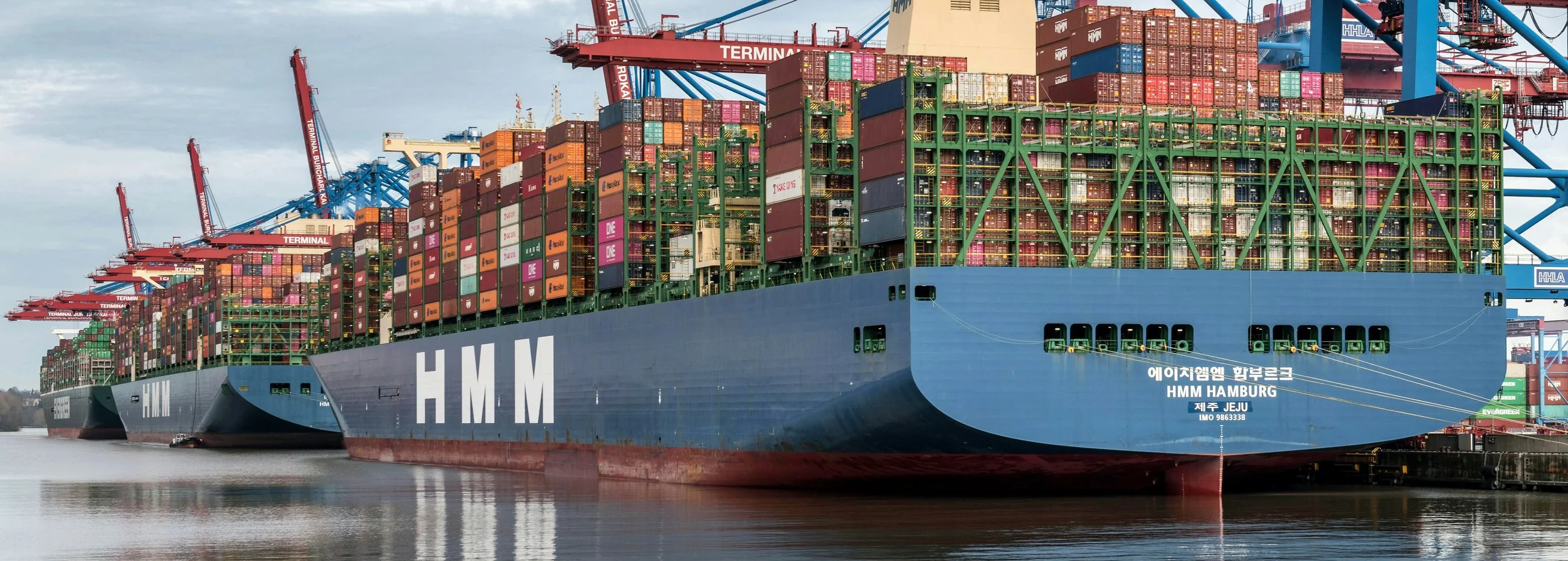
Most of the data problems described in this cluster trace back, eventually, to the same place. A function without the evidence to support a claim. A system holding data that nobody owns. A supplier relationship that was never structured to produce the transparency now being asked of it. Follow those threads far enough and they tend to arrive at a sourcing decision — one made on cost and lead time, in a season where margin was tight and the data question was not yet on the agenda.
Procurement did not create the DPP problem intentionally. It created the conditions for it systematically, across seasons, in the ordinary course of doing its job as that job has historically been defined.

The Most Public Casualty of a Data Gap
Sustainability claims are among the most visible things a fashion brand puts into the world — on product pages, in campaigns, in investor communications, in the retail partnerships that carry the brand narrative furthest from its source. They are read by people with very different reasons for doing so: consumers, journalists, regulators, competitors. Of all the functions that carry exposure from poor product data, Marketing carries the most public version of it.

The Designer's Data Problem
There is a moment in every product's life when the data that will ever exist about it is largely determined. It is not the moment of manufacture, or the point of sale, or the date a compliance deadline falls due. It is the brief.
The materials specified at the brief stage define what composition data is collectable. The construction methods chosen determine whether disassembly and end-of-life data is meaningful or theoretical. The supplier relationships established for a new material set the ceiling on how far back in the supply chain traceability will ever reach. By the time a product enters production, many of the data questions the DPP will ask have already been answered — not by a data governance decision, but by a design one.

Legal Didn't Sign Up to Be a Data Auditor Either
A pattern has become familiar in fashion and textiles organisations. A claim is going to market — on a product page, in a procurement tender, in an investor disclosure. Someone sends it to Legal for review. Legal checks the language, notes the risks, may soften a phrase or add a qualification. The claim goes out.
What Legal rarely gets to ask is the prior question: what is the evidence behind this claim, where does it live, who is responsible for keeping it current, and what happens when it lapses?

What the DPP Means for Finance: Beyond the Compliance Budget Line
Finance is usually the last function to be engaged on DPP readiness. And it is usually engaged in a specific way: someone needs budget approval.
That is a limited role. It is also, given what is actually at stake, the wrong one.

The Decision Nobody Has Made — What the DPP Requires of Leadership
Every organisation preparing for the Digital Product Passport eventually arrives at the same discovery. The data needed to populate a credible passport exists — in fragments, across functions, supplier relationships, and systems that were never designed to work together. Sustainability has some of it. Procurement has some of it. Operations has some of it. IT is maintaining the systems that hold pieces of it. Nobody has all of it. Nobody is accountable for it end to end.