
Insights
Posts on digital transformation, governance, and leadership development — focused on the organizational and cultural dimensions that determine whether technical ambitions survive operational reality.
Browse by topic:
All | Digital Excellence | Board Advisory | Leadership & Coaching | Standards & Governance | Digital Product Passport

The Data Deficit: Why Fashion Has a Supply Chain Transparency Problem It Can't Spreadsheet Its Way Out of
The transparency problem in fashion and textiles is not primarily a tooling problem. It is a data problem — which is a different thing entirely. Tools can only surface what exists. They cannot create structure where there is none, verify claims that were never substantiated, or connect information that was never linked in the first place.
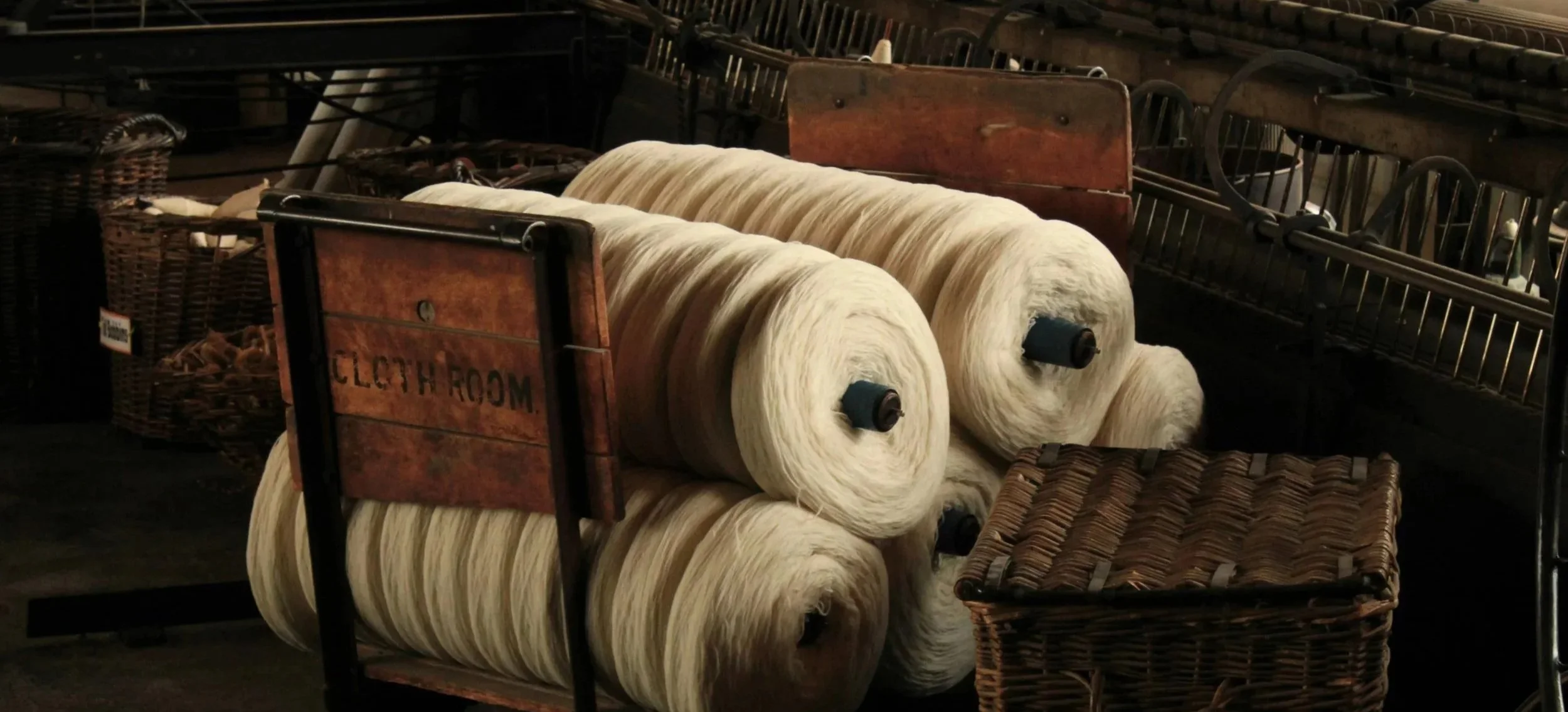
Your Product Already Has a Story. The Question Is Whether You Know It.
Every garment that leaves a factory carries more information than the label sewn into its collar. It carries the origin of its fibres, the names of the mills that processed them, the chemicals used in dyeing, the countries through which it passed, the workers whose hands assembled it, the carbon generated in its making. That information exists. It was created at every stage of production. The question is not whether the story is there. The question is whether anyone in the organisation that sells the product can tell it.

Leveraging the UN Transparency Protocol for Sustainable Trade
Future-Proofing for Interoperability
By The Aeolian
As sustainability becomes a cornerstone of global trade compliance, companies must adopt data strategies that not only meet regulatory requirements but also build trust through secure and verifiable information exchange. Future-proofing digital systems in this context means ensuring that environmental, social, and governance (ESG) data is accurate, auditable, and interoperable across borders.

From Compliance to Opportunity (Part 2)
Continuing Upstream the Value Chain
By Michael Shea and Nis Jespersen
As we expand our clothing value chain example, we might also see that there are two sources of yarn going into the fabric production. For the fabric to be organic, its source yarn must also be. So we see here how Organic Conformity Credentials are provided for both.

From Compliance to Opportunity
Navigating the UNTP Digital Product Passport Ecosystem
By: Michael Shea and Nis Jespersen
Digital Product Passports are probably about to become part of your everyday life. Whether because you are based in the European Union, or selling products that are being exported to the European Union. Or simply because you are a responsible consumer, concerned that the material is actually organic and that no child labour was used in the manufacturing